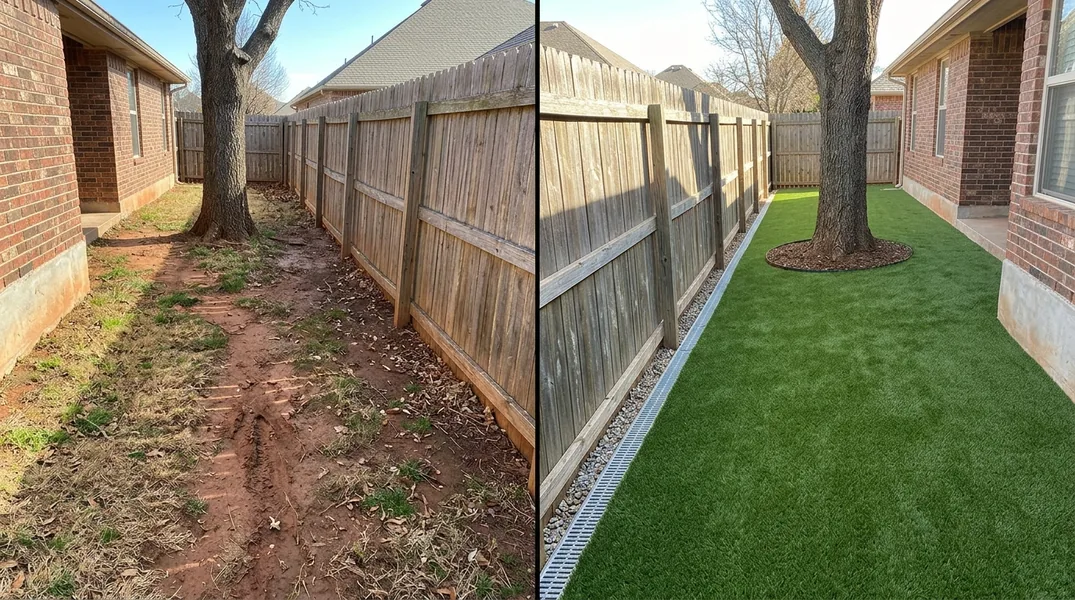
Understanding Bermuda Grass Dormancy in Oklahoma City
If you've lived in Oklahoma City for more than one winter, you've probably noticed that your Bermuda lawn turns brown and goes dormant when temperatures drop. This is completely natural. Bermuda grass thrives in warm weather but enters dormancy as soon as soil temperatures consistently fall below 50 degrees Fahrenheit, typically around late October or early November in our region. During this dormant period, which can last four to five months, your lawn essentially goes to sleep. The grass blades die back, the root system slows dramatically, and you're left with a brown, lifeless-looking yard until spring arrives.
While dormancy is a survival mechanism that allows Bermuda grass to persist through cold winters, it creates a significant aesthetic problem for homeowners who want year-round green landscaping. Many residents in Oklahoma City find themselves staring at a dull, brown lawn for nearly half the year. Some try to overseed with cool-season grasses like ryegrass to maintain color, but this adds extra cost, effort, and complexity to lawn care. Others simply accept the seasonal browning as part of living in Oklahoma. However, there's a third option that eliminates dormancy concerns entirely: artificial grass.
Turf vs Artificial Grass: The Year-Round Green Advantage
When comparing Residential Artificial Grass Installation to natural Bermuda lawns, one of the most compelling differences is consistency. Artificial turf remains vibrant green throughout every season, regardless of temperature, rainfall, or sunlight. You'll never wake up in January to find your lawn has turned brown. This aesthetic consistency matters to homeowners who take pride in their curb appeal or who simply prefer the visual appeal of a lush, green yard year-round. Beyond appearance, artificial grass eliminates the entire dormancy cycle, meaning you don't have to plan landscaping around seasonal changes or explain your brown lawn to neighbors and visitors.
The practical advantages extend beyond looks. With artificial turf, you're not dealing with the unpredictability of Bermuda grass growth patterns. You won't have weak spots where the grass didn't recover properly after winter, and you won't need to fertilize, aerate, or overseed to maintain color and density. For homeowners tired of the annual dormancy ritual, artificial grass offers genuine peace of mind. The turf maintains its appearance and performance consistently, month after month and year after year, making it an increasingly popular choice for Oklahoma City residents who want a hassle-free lawn.
Shade Performance: Where Bermuda Grass Struggles
Bermuda grass has a well-documented weakness in shaded areas, and this becomes especially problematic in Oklahoma City yards with mature trees or structures that block sunlight. Bermuda is a sun-loving grass that typically requires at least six to eight hours of direct sunlight daily to maintain healthy growth. In shadier spots, it thins out, becomes weak, and becomes increasingly susceptible to disease and moss growth. Many homeowners in Oklahoma find that while their sunny lawn areas look decent, the shaded zones beneath trees or on the north side of their house become bare patches or thin, struggling turf. Trying to maintain Bermuda in shade often feels like an uphill battle, requiring additional fertilizer, fungicide treatments, and ongoing maintenance that rarely produces satisfactory results.
Artificial turf solves the shade problem entirely. Modern synthetic grass performs equally well in full sun or full shade because it doesn't rely on photosynthesis or natural growth processes. Whether your yard is heavily shaded by mature oak trees or gets afternoon shade from your home's structure, artificial turf maintains the same lush appearance and durability. This makes it an ideal solution for Oklahoma City homeowners with challenging shade conditions. If you have areas where Bermuda consistently fails to thrive, artificial grass can transform those problem zones into attractive, functional landscape features that require no special treatment or seasonal adjustment.
Maintenance Reality: Bermuda Grass vs Artificial Turf
Maintaining a healthy Bermuda lawn in Oklahoma requires consistent year-round effort. During growing season, you're mowing weekly, watering regularly during dry spells, fertilizing according to seasonal schedules, and monitoring for common lawn diseases. Even during dormancy, many homeowners overseed with winter grasses or apply dormancy-breaking treatments to maintain some color. Spring requires dethatching to remove dead grass buildup, and fall demands aeration to prepare the lawn for winter stress. When you add up the time, equipment, and supplies required for proper Bermuda maintenance, the annual commitment is substantial. For busy homeowners or those simply uninterested in lawn care, this ongoing responsibility can feel overwhelming.
Artificial turf requires a fraction of this maintenance. There's no mowing, no fertilizing, no watering, no seasonal treatments, and no disease management. Your maintenance routine consists of occasional rinsing to remove dust, brushing to keep the fibers upright, and removing debris like leaves and branches. This typically amounts to just a few hours of work per year, compared to dozens of hours for natural grass. For homeowners seeking pricing information about artificial grass installation, it's worth factoring in the maintenance savings over time. The reduced upkeep translates to lower water bills, no fertilizer costs, no equipment expenses, and significantly more free time to enjoy your yard rather than maintain it.
Installation and Long-Term Value
Installing artificial grass requires professional expertise to ensure proper base preparation, drainage, and seaming. Oklahoma City Turf Installation specializes in this process, handling everything from site assessment to final installation. The upfront investment for Residential Artificial Grass Installation is higher than seeding or sodding natural grass, typically ranging from several thousand dollars depending on yard size and complexity. However, when you calculate the long-term value including water savings, eliminated fertilizer and chemical costs, no equipment maintenance, and reduced labor, artificial turf becomes financially competitive with natural grass over a ten to fifteen year period. Additionally, quality artificial grass lasts twelve to twenty years with proper care, providing decades of green, attractive landscaping.
For homeowners considering this investment, understanding the complete financial picture is essential. Many people focus only on installation cost without considering the hidden expenses of maintaining natural grass. Water bills in Oklahoma vary seasonally, but a healthy Bermuda lawn during hot, dry summers can significantly increase water usage. Fertilizers, fungicides, aeration services, and equipment maintenance add up quickly. If you're interested in exploring whether artificial grass makes financial sense for your specific situation, Oklahoma City Turf Installation offers a free estimate that can help you understand the true cost comparison. Call (405) 719-2648 to discuss your project and receive professional guidance tailored to your yard's unique conditions.
Making Your Decision: Which Option Is Right for Your Oklahoma City Home
The choice between artificial turf and Bermuda grass ultimately depends on your priorities, budget, and lifestyle. If you enjoy lawn care, prefer natural grass, and don't mind brown dormancy periods, Bermuda grass remains a viable option for Oklahoma City lawns. It's less expensive to install initially and can look beautiful during growing season. However, if you prioritize year-round green appearance, want to eliminate maintenance responsibilities, struggle with shade issues, or seek long-term cost savings, artificial grass offers compelling advantages that natural lawns simply cannot match.
Consider your specific situation: Do you have significant shaded areas where Bermuda struggles? Are you tired of brown winters? Do you have limited time for lawn maintenance? Do you want to reduce water consumption? If you answered yes to any of these questions, artificial grass deserves serious consideration. The best way to evaluate whether Residential Artificial Grass Installation is right for your home is to speak with experienced professionals who understand Oklahoma City's unique climate and landscape challenges. Oklahoma City Turf Installation can assess your yard, answer your questions, and provide honest guidance about whether artificial turf or natural grass better suits your needs. Contact us today at (405) 719-2648 or visit our website to request a free estimate and take the first step toward the lawn you've always wanted.
Looking for a professional artificial grass installation company in Oklahoma City? Oklahoma City Turf Installation responds fast for all your artificial grass installation needs.
Get a Free Quote